In modern heavy machinery, structural engineering, and precision manufacturing systems, maintaining position and preventing accidental load drops under intense mechanical stress are critical safety and operational requirements. Hydraulic locking devices play a pivotal role in these systems. Unlike traditional mechanical brakes that suffer from rapid frictional wear, hydraulic locking mechanisms use pressurized fluid dynamics to establish absolute, zero-drift spatial positioning.
The fundamental engineering principle of a hydraulic locking device relies on volumetric confinement. When a hydraulic cylinder is subjected to external loads, a pilot-operated check valve or a specialized lock valve cuts off the fluid evacuation route. Because hydraulic fluid is virtually incompressible, sealing the fluid chamber locks the piston rod in place. To ensure high-end reliability, our locking components are designed with ultra-precise tolerances, preventing micro-leakage even when subjected to extreme pressure fluctuations up to 700 bar.
Traditional mechanical friction locks are prone to surface wear, alignment errors, and sudden failures. Conversely, hydraulic locking units distribute clamping and holding forces uniformly across structural fluid volumes. This prevents stress concentrations and metal fatigue, significantly extending the operational lifecycle of industrial machinery.
Depending on your application environment, we offer AISI 4140 high-tensile steel, 316L stainless steel, or aerospace-grade aluminum. Our surfaces are treated with zinc-nickel electroplating or chrome-plating to endure aggressive marine and offshore conditions.
Whether you require minor position holding or heavy-duty industrial stabilization, we calibrate clamping forces from 10 kN to 5000 kN. We adjust flow rates and pilot ratios to align with your system’s active hydraulic circuit speeds.
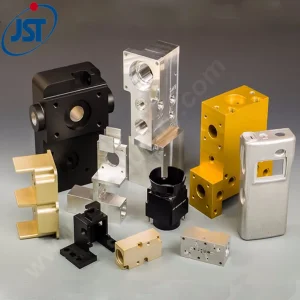
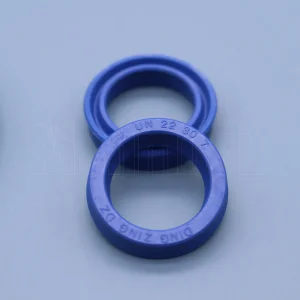
Our engineers configure specialized hydraulic manifolds and integrated cartridges to minimize space requirements. We implement premium seals (FKM, NBR, or PTFE) to prevent bypass leakage and support operating temperatures from -40°C to 120°C.
Years Engineering Excellence
Pressure & Load Tested
Rapid OEM/ODM Prototyping
Certified Manufacturing
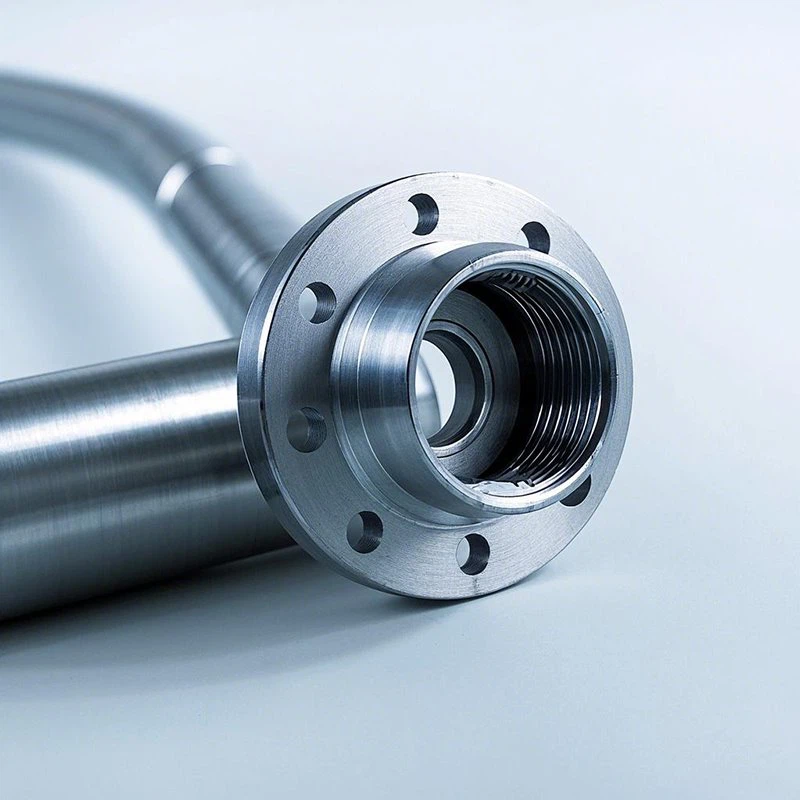
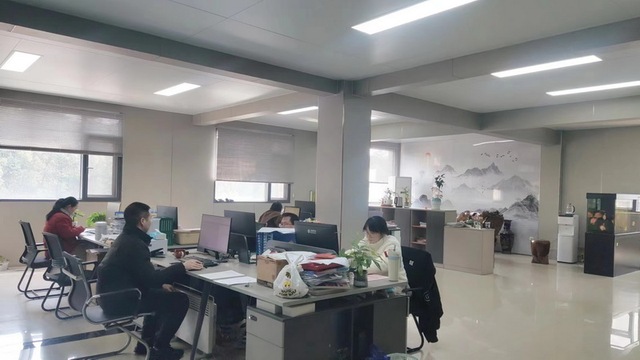
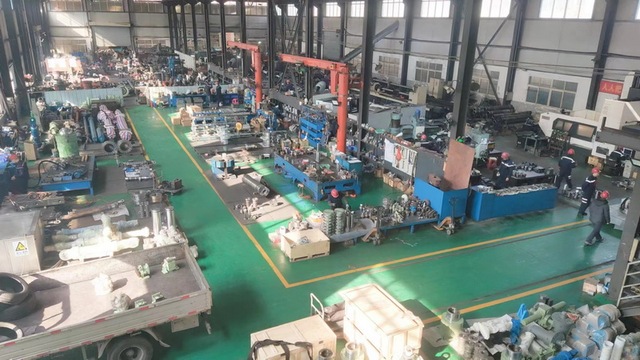
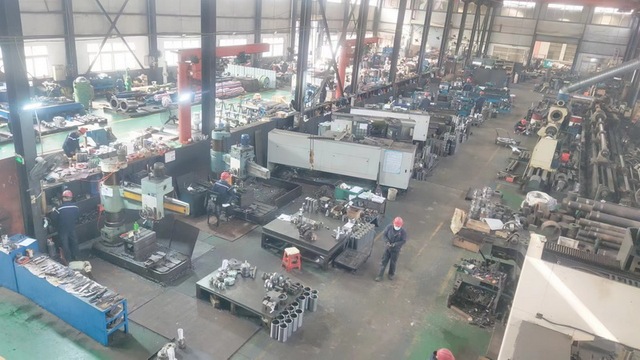
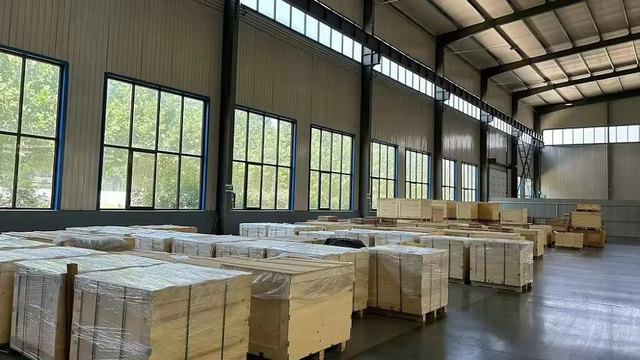
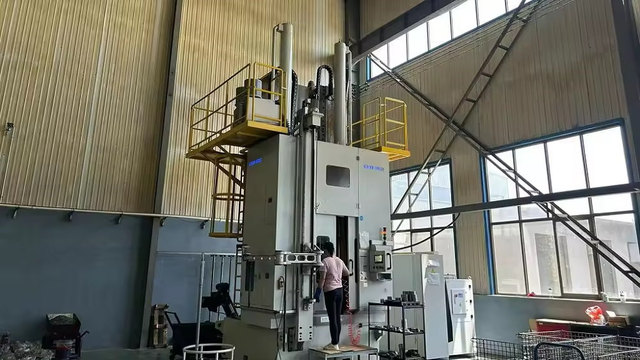
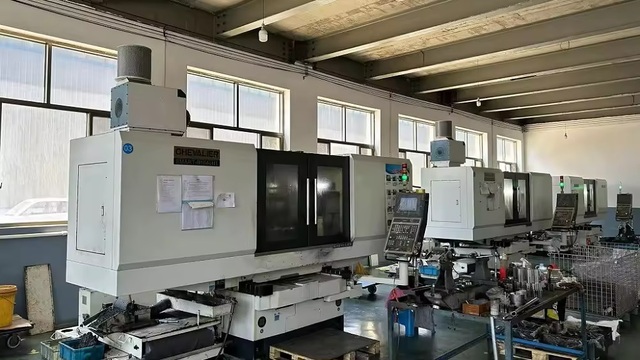
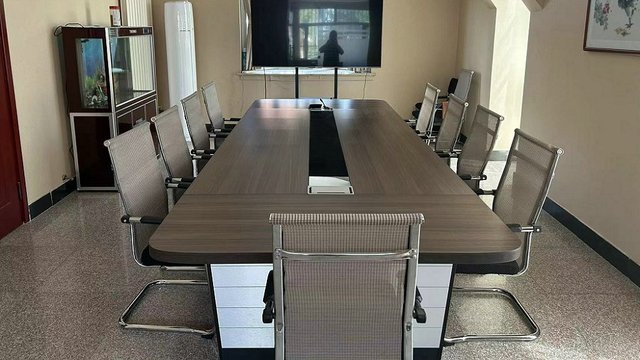
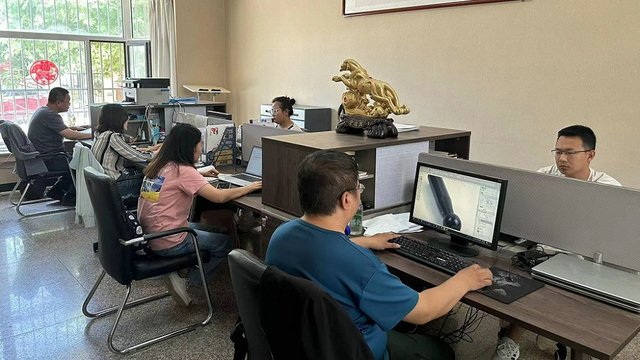
By combining China’s expansive raw material resources and heavy industrial infrastructure with German design parameters, Japanese lean manufacturing principles, and Korean sealing technologies, Purple Horn offers highly competitive, top-tier hydraulic locking devices.
We sourcing certified carbon and alloy steels directly from premium mills, reducing raw material lead times. Our automated manufacturing line integrates advanced 5-axis CNC machining, deep-hole boring machines, and specialized honing setups. These tools maintain geometric and dimensional tolerances within microns, minimizing operational tolerances and enhancing component longevity.
Furthermore, our strategic presence in Ningbo and Shanghai gives us direct access to major sea transport channels and international airports. This allows us to expedite shipments, lower logistics costs, and keep our global distribution network operating smoothly.
The global industrial aftermarket requires a delicate balance of cost efficiency, quality control, and technical reliability. Operating as an OEM/ODM provider, we eliminate intermediary markups, offering direct factory pricing that allows distributors and OEMs to maintain healthy profit margins.
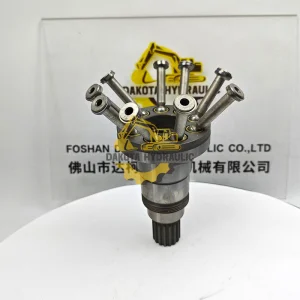
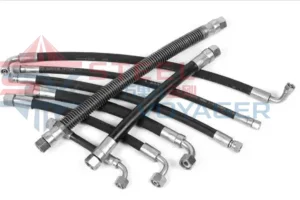
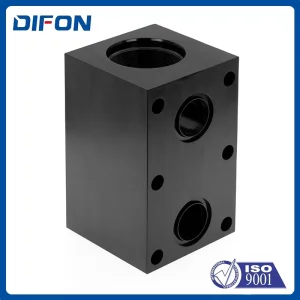
Every hydraulic component we manufacture, from simple hose assemblies to multi-port manifold lock blocks, undergoes rigorous pressure testing on our calibrated test rigs. This ensures our components match the performance of international brands like Rexroth, Eaton, and Parker, but at a fraction of their cost.
Our products are manufactured to align with international regulatory frameworks, including ISO 9001:2015, CE declarations, and ASME boiler and pressure vessel codes. This facilitates seamless integration into European and North American industrial configurations.
For operations in hazardous environments, such as mining and chemical plants, we offer certified explosion-proof solenoid-operated locking valves (ATEX and IECEx) to ensure safe, sparking-free fluid control.
We collaborate with local distributors to establish regional stocking centers. This helps reduce lead times for replacement parts, minimizing down time for our partners in the European, American, and Asian aftermarket.
We design and configure hydraulic locks to match a wide range of mounting patterns, port sizes, and environmental parameters.
| Product Series | Bore Diameter (mm) | Holding Force (kN) | Max. Pressure (Bar) | Applicable Fluids | Standard Interfaces |
|---|---|---|---|---|---|
| HL-Standard Series | 40 - 160 | 10 - 250 | 350 Bar | Mineral-based Hydraulic Oil | G1/4", G3/8", G1/2" BSPP |
| HL-HD Heavy Duty | 180 - 320 | 300 - 1500 | 500 Bar | Mineral & Eco-friendly Esters | SAE Flange (Code 61 / 62) |
| HL-Extreme | 350 - 500 | 2000 - 5000 | 700 Bar | Synthetic & Fire-Resistant Fluids | Custom Manifold Interface |
| HL-Marine & Offshore | 80 - 250 | 50 - 1000 | 420 Bar | Biodegradable Hydraulic Oil (EAL) | NPT Thread & Custom Flanges |
In construction equipment like road rollers, cranes, and concrete pumps, locking devices maintain outrigger stability, prevent arm drifting, and protect operators on complex job sites.
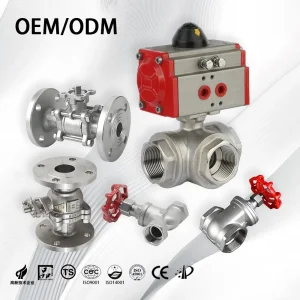
Mud pumps and geological drill rigs require high-pressure check valves and hydraulic manifolds to manage high-frequency vibration and high-volume fluid dynamics.
Precision casting and metal stamping machines rely on hydraulic block manifolds to lock dies securely in place, keeping parts uniform and preventing clamp slippage under load.
The fluid power industry is evolving toward smarter, more sustainable technologies. We are integrating digital monitoring features into our locking components, allowing real-time tracking of pressure and operational cycles.
Another major trend is the adoption of eco-friendly, biodegradable hydraulic fluids. Traditional seals often degrade quickly when exposed to synthetic esters. Our engineering team has developed specialized elastomer compounds that withstand these fluids, helping companies meet environmental regulations without sacrificing system performance.
We are working to refine mechanical valve seat materials to eliminate the tiny metal particles that lead to seal bypass. Our R&D team uses CFD (Computational Fluid Dynamics) modeling to optimize valve paths, reducing turbulence and pressure drop in high-flow operations.
It uses a spring-loaded seat to block flow in the reverse direction. When pressure is applied to the pilot port, the valve plunger is forced off its seat, opening the return path and letting the cylinder move smoothly.
Yes. Our heavy-duty manifolds and lock valves are built with robust housings and heavy-duty internal springs. This allows them to stay engaged and operational in high-vibration applications, such as mining and drilling.
We complete structural CAD design and FEA analysis within 7 working days. Once the drawings are approved, we can manufacture and ship custom prototypes in 3 to 4 weeks.
Our quality control process includes raw material spectroscopy, CMM dimensional inspections, and final pressure testing on calibrated rigs. We document these steps and can provide full inspection reports with each shipment.
Yes, we offer a range of standard connection interfaces, including BSPP, NPT, Metric, and SAE flange patterns. We can also customize port layouts to match your existing manifold designs.
For operations above 100°C, we specify Viton (FKM) or PTFE seal kits. These materials maintain their flexibility and sealing performance at high temperatures, protecting the system from internal bypass.
 Aksurion Hydraulic