Hydraulic systems are crucial to the operation of excavators. They enable powerful movements and efficiency on construction sites. However, failures in these systems can lead to costly downtime and repairs. Understanding how to prevent hydraulic system failure in excavators is essential for maintaining productivity and safety.
Regular maintenance plays a key role. Check hydraulic fluid levels frequently. Inspect hoses and connections for wear and tear. When a hose bursts, it can halt operations. Clean filters to prevent clogging, a small effort that can save significant headaches.
Furthermore, operators must be trained. They should recognize signs of trouble, such as unusual noises or leaks. Ignoring these indicators can lead to larger issues. Emphasizing proper techniques and safety measures ensures longevity. Paying attention to these details may seem tedious, but they are vital for avoiding failures in the hydraulic system.
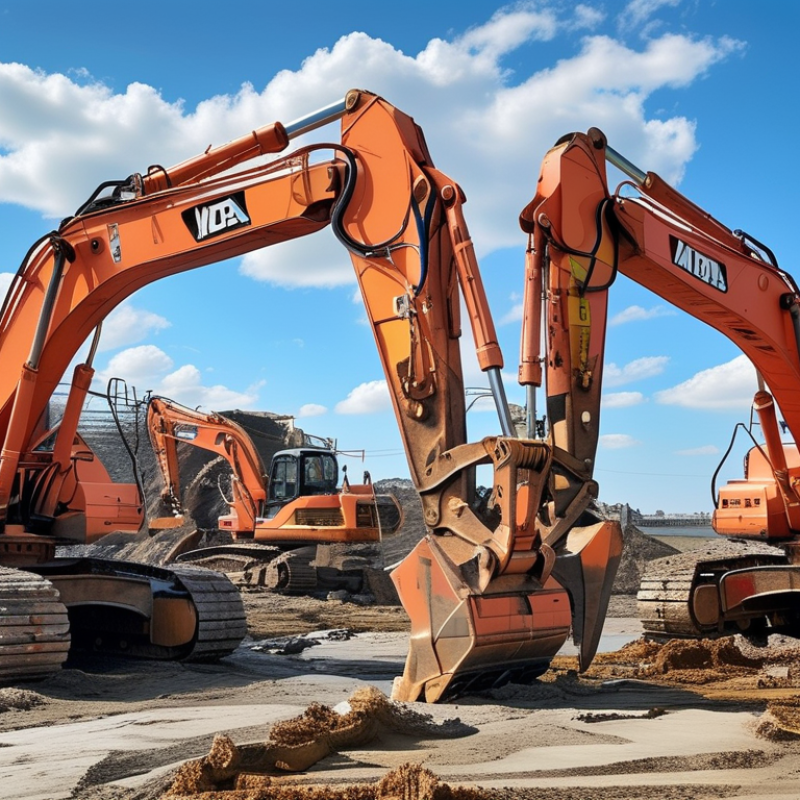
Hydraulic systems are vital in excavators. They provide power to move heavy loads and control various functions. Proper maintenance of these systems can significantly reduce the risk of failure. Neglecting maintenance can lead to costly repairs, equipment downtime, and unsafe working conditions. Understanding how to maintain hydraulic systems is essential for operators and maintenance teams.
Regularly checking fluid levels is crucial. Low fluid can cause overheating and increased wear. Inspecting for leaks is equally important. Even small leaks can lead to significant issues over time. Contaminated fluid can damage components and reduce efficiency. It’s vital to replace filters periodically to ensure clean fluid circulation.
Another tip is to monitor temperature and pressure readings. Abnormal readings can indicate problems. Operators should be trained to recognize these signs early. Routine inspections should include hoses and fittings for any signs of wear or damage. Acting on minor issues can prevent catastrophic failures down the line. Ignoring these details might save time now but can lead to bigger problems later.
Hydraulic system failures in excavators often stem from several key issues. According to a 2022 report by the International Journal of Heavy Equipment and Production, fluid contamination accounts for nearly 70% of hydraulic problems. Contaminants like dirt, water, and particulates can severely impair hydraulic fluid performance. This leads to increased wear on components and early failure of critical parts.
Another common cause is inadequate maintenance practices. A survey conducted by the Association of Equipment Manufacturers revealed that about 58% of excavator operators neglect recommended service intervals. This neglect results in inefficiencies and higher risks of system failure. Regular checks and timely replacements of filters and fluids are essential to sustain optimal performance.
Improper operation techniques also contribute to hydraulic failures. Overloading and excessive operating speeds can lead to hydraulic line bursts or cylinder failures. It is vital for operators to be trained and to follow proper operational guidelines to minimize risks. Striking a balance between productivity and safety can often be challenging, but it is crucial for the longevity of hydraulic systems. Understanding these causes will help in implementing better preventive measures.
Regular inspection and testing procedures for hydraulic systems are crucial to prevent failures in excavators. Routine checks can identify leaks, wear, and other issues. A simple visual inspection can reveal oil stains or cracks. Keep an eye on fluid levels. Low fluid may indicate a problem.
Test hydraulic pressure regularly. Tools like pressure gauges provide key insights. Ensure systems operate within specified pressures. Over-pressurization can lead to catastrophic failures. Maintain a schedule for testing, ideally every few months. This creates a fail-safe for early detection.
Educate the team on common failure signs. Vibration or unusual noises in the hydraulic system should not be ignored. Encourage open communication about equipment performance. Reporting these symptoms can help in timely interventions. Regular training on these checks is beneficial. Investing time now can prevent costly repairs later.
| Tip Number | Prevention Tip | Frequency | Importance Level |
|---|---|---|---|
| 1 | Regular Fluid Levels Check | Weekly | High |
| 2 | Inspect Hoses and Fittings | Monthly | High |
| 3 | Check for Leaks | Weekly | Critical |
| 4 | Replace Filters | Every 250 operating hours | Medium |
| 5 | Monitor Temperature | Daily | High |
| 6 | Visually Inspect Cylinder Seals | Monthly | High |
| 7 | Clean the Hydraulic Reservoir | Every 500 operating hours | Medium |
| 8 | Check Hydraulic Oil Quality | Monthly | High |
| 9 | Test Pressure Relief Valves | Every 1000 operating hours | Critical |
| 10 | Train Operators on Best Practices | Annually | High |
Hydraulic fluid management is crucial for excavators. Contaminated fluid can lead to severe downtime. Industry reports indicate that over 70% of hydraulic failures stem from fluid contamination. Therefore, proper filtration systems are essential. Using multi-stage filtration can capture particles as small as 5 microns. This increases fluid cleanliness and extends component life.
Regular monitoring of fluid quality is vital. The ISO cleanliness standards classify hydraulic fluids. Aim for a cleanliness code of ISO 18/16/13 or better. Maintaining this level can significantly reduce wear on hydraulic components. However, even small leaks can degrade fluid quality. Operators should be diligent in inspecting for leaks.
In practice, many operators overlook fluid change intervals. This can result in higher operational costs due to increased repairs. Studies show that changing fluid as per the manufacturer’s recommendations cuts costs by 40% over time. Building a culture of proactive maintenance can prevent unexpected failures. Regular training on fluid management best practices can enhance overall system reliability.
Operator training programs are crucial for enhancing the longevity of hydraulic systems in excavators. A well-trained operator not only understands how to use machines but also how to maintain them. Small mistakes can lead to significant damages over time. Training programs should include operational best practices, routine checks, and basic troubleshooting.
Hands-on experience is essential. Operators should practice real-life scenarios. They must learn to recognize unusual sounds or vibrations. These early warnings can prevent major hydraulic failures. Regular assessments and refresher courses keep skills sharp.
Moreover, training should address common errors. Misjudging load limits or neglecting fluid levels can cause problems. By promoting awareness, operators become proactive. They will be less likely to overlook maintenance tasks.
Creating a culture of continuous learning will encourage operators to take responsibility for their machines. While perfect adherence is unrealistic, striving for improvement is key. Small gains in knowledge and behavior can lead to prolonged system health, reducing costly downtime.
: Hydraulic systems power movements and functions. Proper maintenance reduces failure risk and avoids costly repairs.
Fluid levels should be checked regularly. Low levels can cause overheating and increase wear on components.
Leaks, even small ones, can result in major problems. They can worsen over time, leading to system failure.
Contaminated fluid damages components and reduces efficiency. Regular filter replacements ensure clean fluid circulation.
Operators need to identify unusual sounds or vibrations. These may indicate hydraulic problems that require attention.
Training promotes awareness of operational best practices. This reduces mistakes that may lead to significant damage.
Routine inspections help identify wear or damage. Catching minor issues early can prevent catastrophic failures later.
Real-life practice helps operators respond to hydraulic system issues effectively. It prepares them for potential problems.
A culture of continuous learning encourages responsibility. Operators should strive for improvement, even if perfection is unrealistic.
Misjudging load limits or neglecting fluid levels can create issues. Training on these can prevent serious problems in the future.
To effectively prevent hydraulic system failure in excavators, it is crucial to understand the importance of regular maintenance. Common causes of failures include contamination, wear and tear, and inadequate fluid levels, which can severely impact performance and lead to costly repairs. Implementing a routine inspection and testing regime allows operators to identify potential issues early, ensuring that systems operate smoothly.
Proper hydraulic fluid management and filtration are also key components in maintaining system integrity. By using high-quality filters and regularly checking fluid levels, excavator operators can minimize contaminants that lead to failures. Additionally, training programs for operators can significantly enhance their understanding of hydraulic systems, empowering them to carry out best practices and maintain the longevity of their equipment. By following these guidelines on how to prevent hydraulic system failure in excavators, operators can enhance operational efficiency and reduce downtime.
Aksurion Hydraulic