How to Reduce Downtime in Heavy Equipment Operations?

Time:2026-08-14 Author:Charlotte
0%

In heavy equipment operations, minimizing downtime is critical. Machines breaking down can lead to significant losses in productivity and revenue. Understanding how to reduce downtime in heavy equipment operations is essential for organizations aiming to enhance efficiency.

Implementing regular maintenance and inspection routines is a vital strategy. Unexpected failures can often be traced back to neglect. Moreover, investing in training for operators promotes safe and effective equipment use. Knowledgeable personnel can detect early signs of wear and tear, preventing further issues.

Tracking equipment performance metrics helps identify patterns leading to downtime. Analyzing data allows for proactive solutions. However, it is essential to remain flexible, as not all equipment performs reliably. Embracing continuous improvement is crucial in this challenging environment.
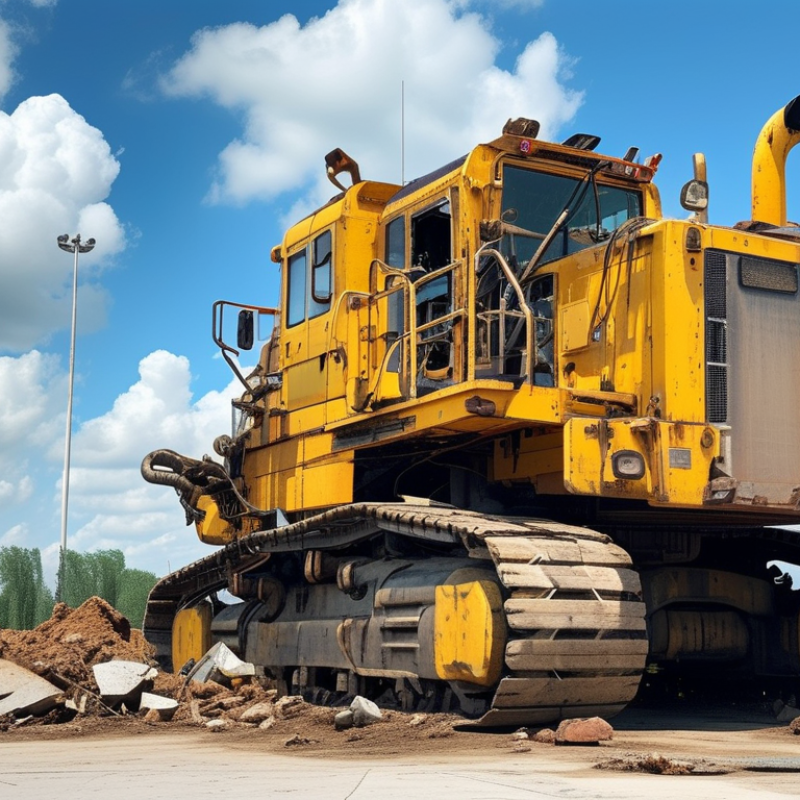
How to Reduce Downtime in Heavy Equipment Operations?

Strategies for Implementing Predictive Maintenance in Heavy Equipment

Predictive maintenance is a game changer in heavy equipment operations. Studies indicate that predictive maintenance can reduce unplanned downtime by up to 50%. This method relies on monitoring actual equipment performance rather than adhering to a set schedule. By analyzing data from machinery, operators can identify potential failures before they occur. For instance, vibration analysis and thermal imaging can highlight wear and tear, which helps prevent unexpected breakdowns.

Implementing predictive maintenance requires investment in technology. Many companies now use IoT sensors to collect real-time data. This data assists in making better decisions on when to conduct maintenance tasks. A report from the U.S. Department of Energy noted that improving maintenance practices could lead to a 20% increase in equipment efficiency. However, transitioning to a predictive maintenance approach can be challenging. It demands skilled personnel who can interpret the data accurately.

Personnel training is crucial. Without the right expertise, valuable data may be overlooked. Moreover, the initial cost of implementation can seem daunting. Industry leaders often report mixed feelings about these investments. Despite these hurdles, the long-term benefits are evident. Reduced downtime translates to increased productivity and cost savings.

Importance of Regular Equipment Inspections and Routine Maintenance

Regular equipment inspections are essential for heavy machinery. They identify potential issues before they escalate. Every month, operators should check key components like hydraulic systems and tires. This proactive approach prevents unplanned downtime caused by failures.

Routine maintenance is equally important. Schedule regular oil changes and filter replacements. This can extend the lifespan of the equipment significantly. Operators often overlook small maintenance tasks. Ignoring them can lead to costly repairs later.

Data shows that regular checks can reduce downtime by as much as 30%. However, some operators hesitate to follow schedules strictly. They may underestimate the importance of these tasks. Building a maintenance culture within a team fosters accountability. It encourages everyone to prioritize equipment health.

Impact of Regular Equipment Inspections on Downtime

Regular equipment inspections significantly reduce downtime in heavy equipment operations. As shown in the chart, the average downtime before implementing routine inspections is 15 hours per month, which can be lowered to just 5 hours after consistent maintenance practices are followed.

Utilizing Technology for Real-Time Monitoring and Diagnostics

In heavy equipment operations, minimizing downtime is crucial for maintaining productivity. One effective approach is the adoption of real-time monitoring technologies. According to a report by the Association of Equipment Manufacturers, implementing such technologies can reduce equipment downtime by up to 30%. Real-time data allows operators to identify issues before they escalate into serious problems. This approach enables timely maintenance and avoids costly project delays.

Advanced diagnostic tools enhance the monitoring process further. Data analytics tools can interpret engine performance and predict potential failures. A recent survey found that 65% of companies using these technologies experienced fewer equipment failures. However, it’s essential to note that technology is not foolproof. In some cases, data overload can lead operators to make incorrect decisions. Balancing technology with human expertise is necessary for effective operations.

Moreover, real-time monitoring requires an initial investment in infrastructure and training. Some companies struggle with the transition to these systems. Resistance to change can hinder potential benefits. A careful evaluation of current systems and a willingness to adapt are crucial for long-term success in reducing downtime. The journey to efficient operations is ongoing and demands a commitment to continuous improvement.

How to Reduce Downtime in Heavy Equipment Operations? - Utilizing Technology for Real-Time Monitoring and Diagnostics

Equipment Type Average Downtime per Month (Hours) Real-Time Monitoring Tools Diagnostic Accuracy (%) Reduction in Downtime (%)
Excavator 15 GPS Tracking, Vibration Sensors 95 30
Bulldozer 12 Thermal Imaging, Load Sensors 90 25
Crane 10 Load Monitoring, GPS Systems 93 20
Loader 8 Engine Diagnostics, Fuel Monitoring 85 15
Dump Truck 20 Telematics, Oil Analysis 92 35

Training Operators to Recognize Signs of Equipment Wear

Training operators to recognize signs of equipment wear is crucial for reducing downtime in heavy equipment operations. Operators are the first line of defense in identifying issues. They spend considerable time in the cab and have excellent access to equipment performance data. Ignoring subtle changes can lead to significant operational setbacks.

Equipment wear often presents itself through unusual noises or vibrations. Operators should be trained to listen for these sounds and to notice irregular behavior. For instance, does the machine struggle to start? Are there irregular shifts in power? Identifying these signs early can prevent costly breakdowns.

Regular workshops focusing on wear indicators can enhance operators' observational skills. Real-life scenarios during training can help improve their responses. However, reliance solely on operator training isn't enough. Continuous evaluation and feedback are necessary for improvement. Encourage operators to discuss their observations with maintenance teams. It's a collaborative effort, and open communication can bridge the gap between training and real-world application.

Analyzing Downtime Data to Identify Patterns and Prevent Recurrence

Analyzing downtime data is crucial for optimizing heavy equipment operations. A recent study indicated that unplanned downtime can cost businesses an average of $250,000 per hour. By reviewing historical data, operators can identify patterns in equipment failures. This analysis allows managers to anticipate issues before they escalate, enabling proactive maintenance.

To reduce downtime, consider implementing a robust data tracking system. Collect data on equipment usage, maintenance schedules, and failure rates. Look for trends that highlight frequent breakdowns or repairs. This information can guide maintenance teams in prioritizing tasks and allocating resources effectively.

Tip: Utilize predictive analytics to forecast potential failures. Machine learning algorithms can analyze past incidents, helping you take corrective actions.

Investing in staff training is equally important. Skilled operators are more likely to recognize early signs of malfunction. Encourage open communication about equipment performance and maintenance issues. Frequent feedback can lead to immediate improvements.

Tip: Conduct regular workshops on equipment handling. A knowledgeable crew can minimize human errors that lead to downtime.

FAQS

: Why is it important to train operators to recognize signs of equipment wear?

: Training reduces downtime and helps prevent significant operational setbacks.

What signs should operators look for in equipment wear?

Operators should listen for unusual noises and notice irregular behaviors, like struggles to start.

How can workshops help in operator training?

Workshops enhance observational skills and provide real-life scenarios for better response to equipment issues.

Is operator training enough to reduce equipment downtime?

No, continuous evaluation and feedback are essential for ongoing improvement in equipment monitoring.

What role does data analysis play in reducing downtime?

Analyzing downtime data helps identify patterns, allowing proactive maintenance to prevent future issues.

What can be included in a robust data tracking system?

Collect data on equipment usage, maintenance schedules, and frequent breakdowns for better resource allocation.

How can predictive analytics benefit equipment maintenance?

It forecasts potential failures by analyzing past incidents, prompting timely corrective actions.

Why is staff training important in equipment handling?

Skilled operators can better recognize issues early and communicate effectively about maintenance needs.

How often should workshops on equipment handling occur?

Regular workshops should be conducted to continuously improve knowledge and minimize human errors.

How important is communication between operators and maintenance teams?

Open communication bridges training and real-world experiences, enhancing overall equipment care.

Conclusion

To effectively address how to reduce downtime in heavy equipment operations, implementing a comprehensive strategy is essential. This involves utilizing predictive maintenance techniques to anticipate failures before they occur. Regular equipment inspections and routine maintenance are critical practices that ensure machinery remains in optimal condition, thus minimizing unexpected breakdowns.

In addition, leveraging technology for real-time monitoring and diagnostics can significantly enhance operational efficiency by providing immediate insights into equipment health. Training operators to recognize early signs of wear and tear is another vital component, as their firsthand experience can lead to timely interventions. Lastly, analyzing downtime data allows organizations to identify patterns and recurring issues, enabling them to institute preventive measures that enhance overall productivity. By combining these strategies, companies can significantly lessen downtime and improve the reliability of their heavy equipment operations.

Charlotte

Charlotte

Charlotte is a seasoned marketing professional with a deep understanding of the company's portfolio and a passion for elevating its presence in the market. With a keen eye for detail and a commitment to excellence, she ensures that our professional blog is regularly updated with insightful articles......