Hydraulic systems are critical in the functionality of heavy machinery. Understanding how to improve hydraulic system efficiency in heavy machinery can lead to significant operational benefits. A recent report from the International Fluid Power Society indicates that efficiency losses can account for up to 35% of a hydraulic system's total power output. This inefficiency culminates in increased operational costs and reduced productivity.
Enhanced efficiency not only reduces energy consumption but also prolongs equipment lifespan. According to a study by the National Institute for Occupational Safety and Health, optimizing hydraulic systems could potentially save industries millions annually. Companies often overlook small maintenance practices that can lead to larger issues down the line. For instance, improper fluid selection or neglecting routine inspections could worsen performance.
Recognizing these inefficiencies is the first step toward improvement. Strategies such as regular maintenance checks and upgrading components can significantly boost performance. In this context, operators must reflect on their current systems and be open to adopting new techniques, even those that might seem marginal at first. Embracing change is vital in enhancing hydraulic system efficiency and achieving greater productivity.
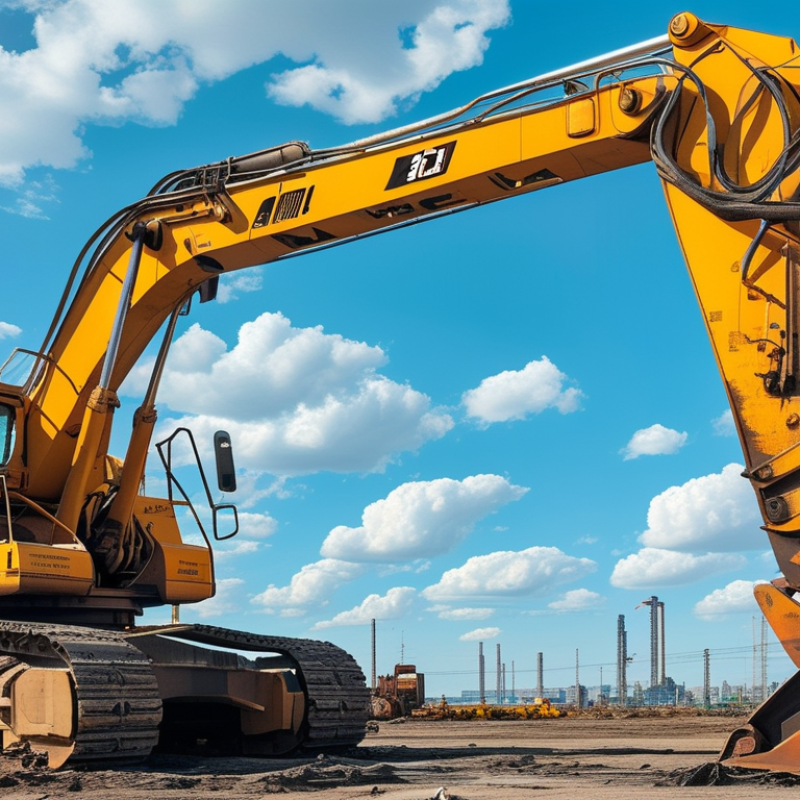
Understanding hydraulic systems is crucial for heavy machinery. These systems utilize fluid power to perform work. They rely on hydraulic fluid to transmit energy through various components. These components include pumps, valves, cylinders, and motors. Each part has a specific function, contributing to the overall efficiency of the machine.
Hydraulic systems can be complex. It's easy to overlook simple maintenance, which can lead to inefficiencies. Regularly check for leaks. Even a small leak can waste a significant amount of hydraulic fluid over time. Keep the fluid clean and at the right level. Contaminated fluid can cause wear and tear on components, reducing efficiency. Understanding these basics helps operators make informed decisions.
Training is essential for those who operate heavy machinery. Many operators are not familiar with hydraulic principles, leading to mistakes. A solid grasp of how systems work can prevent costly errors. Regular training sessions can improve operator performance. Mistakes often stem from misusing machinery or ignoring warning signs. Taking time to understand these systems pays off in efficiency and productivity.
Hydraulic systems in heavy machinery often face efficiency challenges. Common causes include fluid contamination, leakage, and inadequate maintenance. These issues can lead to increased operating costs and reduced performance. By addressing these problems, operators can significantly enhance system efficiency.
Regular maintenance is vital. Inspect hydraulic fluid regularly for contaminants. Changing the fluid at recommended intervals helps maintain optimal performance. Keep an eye on hoses and connections. Even minor leaks can waste fluid and energy, impacting efficiency.
Another tip is to ensure that equipment is appropriately sized for the job. Using oversized or undersized components can lead to inefficiencies. Consider the load requirements and select hydraulic pumps and cylinders accordingly. Proper component selection directly influences system performance.
Operators should also invest in training. Knowledgeable staff can identify inefficiencies and implement solutions. Encourage continuous learning about hydraulic technology and best practices. Awareness can prevent common pitfalls and drive efficiency.
This chart illustrates the various factors contributing to the improvement of hydraulic system efficiency in heavy machinery. Each bar represents the estimated percentage impact each factor has on overall efficiency, highlighting the most significant areas for potential improvements.
Regular maintenance practices are crucial to improve the efficiency of hydraulic systems in heavy machinery. Consistent checks can identify leaks, worn-out seals, or blocked filters. This can prevent small issues from becoming major failures. A visual inspection of hydraulic hoses and connections is a simple yet effective step. Look for wear or damage. This proactive approach can save time and costs in the long run.
Fluid quality is another area of focus. Using clean, appropriate hydraulic fluid plays a vital role in system efficiency. Contaminated fluid can lead to pump failure and increased wear. Regularly changing the fluid can extend the life of the system. Also, monitoring fluid levels is essential. Low fluid levels can compromise performance.
Training personnel to recognize signs of inefficiency is equally important. Employees should be aware of abnormal noises or pressure changes. Implementing a daily checklist can help streamline these observations. Documenting these checks creates a reliable record for future reference. This process may not always be perfect. Mistakes can happen, but learning from them enhances overall efficiency.
| Tip Number | Tip Description | Expected Efficiency Gain (%) | Frequency of Implementation |
|---|---|---|---|
| 1 | Regular fluid level checks | 5 | Weekly |
| 2 | Change hydraulic fluid regularly | 10 | Every 6 months |
| 3 | Inspect hoses and fittings for leaks | 15 | Monthly |
| 4 | Keep the system clean | 12 | Weekly |
| 5 | Monitor operating temperatures | 8 | Daily |
| 6 | Use high-quality hydraulic fluid | 20 | As needed |
| 7 | Fluid filtration maintenance | 15 | Monthly |
| 8 | Train operators on proper use | 25 | Annually |
| 9 | Check and replace filters | 10 | Every 3 months |
| 10 | Optimize pump performance | 30 | Yearly |
Hydraulic systems in heavy machinery rely heavily on the components within them. Upgrading these components can make a significant difference in overall efficiency. For instance, replacing outdated pumps with more efficient models can enhance flow rates and reduce energy consumption. Efficient valves can also optimize pressure control, contributing to smoother operation.
Modern hydraulic fluids play a crucial role in system performance. These fluids can reduce friction and wear, ultimately leading to a longer lifespan for key components. However, not all fluids are created equal. Selecting the right type for specific machinery applications is essential. Regular maintenance checks are vital but often overlooked. They ensure that the upgraded components are functioning optimally.
Sometimes, operators may overlook the importance of a proper installation. An improper setup can negate the benefits of upgraded components. Training for staff involved in these upgrades is equally important. Skills gaps may lead to inefficiencies, impacting operational effectiveness. By focusing on both component quality and installation practices, you can significantly enhance hydraulic system performance.
Training operators on best practices for hydraulic system usage is crucial for enhancing system efficiency. Hydraulics can account for over 30% of a machine’s operational cost. Improper use can lead to significant energy waste and increased maintenance costs. According to a study by the International Journal of Fluid Power, poorly trained operators can decrease system efficiency by up to 20%.
Implementing structured training programs can mitigate these risks. Operators should understand the hydraulic system's components thoroughly, such as pumps, valves, and actuators. Regular training sessions focused on hands-on experience enable personnel to recognize signs of trouble early. Data from the Hydraulic Institute indicates that well-trained operators can achieve nearly a 15% improvement in overall system performance.
Moreover, it's crucial to encourage operators to report anomalies. Open communication fosters an environment where potential issues are addressed timely. Investing in refreshers and updates on hydraulic advancements keeps operators informed. However, many organizations overlook these programs, missing opportunities for increased productivity. A culture that values continuous improvement is vital for long-term success in hydraulic system management.
: They utilize fluid power to perform work efficiently through various components.
Look for leaks, fluid cleanliness, and proper fluid levels to maintain efficiency.
Overlooking minor leaks or worn parts can lead to major failures.
Many operators lack knowledge of hydraulic principles, which can lead to costly mistakes.
They should be aware of abnormal noises and pressure changes during operation.
Regular changes help extend the life of the hydraulic system and prevent failures.
Yes, new pumps and valves enhance flow rates and pressure control, boosting efficiency.
Improper setups can reduce the benefits of upgraded parts, impacting overall performance.
A daily checklist can streamline observations and create a reliable maintenance record.
No, selecting the right fluid for specific applications is crucial for optimal performance.
To understand how to improve hydraulic system efficiency in heavy machinery, it is essential to grasp the basics of hydraulic systems, including their components and functions. Common causes of inefficiency can often be pinpointed to issues such as leaks, contamination, and worn-out parts. Implementing regular maintenance practices, such as timely fluid changes and thorough inspections, is crucial for enhancing overall system performance.
Additionally, upgrading hydraulic components can lead to significant improvements in efficiency, enabling machinery to operate more smoothly. Finally, training operators on best practices is vital; educating them on proper usage can minimize wear and enhance performance. By addressing these key areas, operators can effectively boost hydraulic system efficiency, leading to better productivity and reduced operational costs.

Aksurion Hydraulic