Hydraulic systems play a critical role in heavy equipment. They enable machines to perform complex tasks efficiently and effectively. What is the role of hydraulic systems in heavy equipment? This question leads us to understand their importance in various applications, from construction to mining.
Hydraulic systems use pressurized fluid to create movement and power mechanisms within heavy machinery. This design allows equipment to lift, dig, and transport materials with great force. The reliability of these systems is essential for safe operations in demanding environments. When hydraulic systems fail, the entire operation can come to a halt. Such failures can lead to costly delays and safety hazards.
Moreover, the efficiency of hydraulic systems can vary. Factors like maintenance issues or fluid quality can impact performance and longevity. Regular checks and balances are crucial for optimal function. Operators must be aware of these factors to avoid operational downtime. Understanding hydraulic systems deeply allows for better oversight and application in today’s heavy equipment landscape.
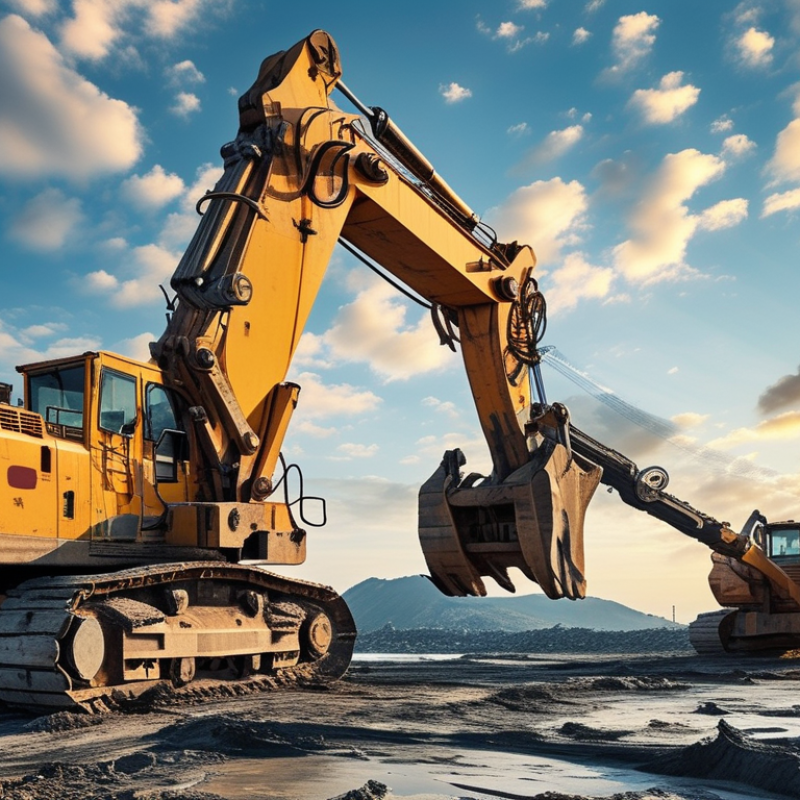
Understanding Hydraulic Systems in Heavy Equipment
Hydraulic systems are vital in heavy equipment, providing the power needed for a variety of functions.
These systems convert mechanical energy into fluid power, which can lift, push, or dig effectively.
According to a report by the International Journal of Fluid Power, hydraulic systems are responsible for almost
50% of the operational efficiency in construction machinery. This highlights the importance of understanding
how these systems work.
Regular maintenance of hydraulic systems is crucial. An estimated 70% of hydraulic failures can be attributed
to contamination. Ensuring clean fluids and proper filtration can significantly extend the life of hydraulic
components. Leaks are another common issue, often leading to reduced efficiency. Addressing even minor leaks
promptly can save on costly repairs later.
Proper training and knowledge of hydraulic systems can yield better operation. Operators should be familiar
with pressure limits and warning signs of malfunctions. Investing in training programs can enhance operational
safety and efficiency. Understanding the basic principles of hydraulics can empower operators to troubleshoot
issues on the job. This knowledge is essential for maintaining optimal performance and extending the lifespan
of heavy equipment.
Key Components of Hydraulic Systems in Heavy Machinery
Hydraulic systems play a crucial role in heavy machinery, powering various operations. These systems rely on key components such as hydraulic pumps, cylinders, and valves. According to industry reports, hydraulic pumps account for around 28% of system costs, making them vital for efficiency. They convert mechanical energy into hydraulic energy, allowing equipment to function effectively.
Hydraulic cylinders, another essential component, are responsible for moving and lifting heavy loads. A typical hydraulic cylinder can exert forces exceeding 200 tons. The effectiveness of these cylinders largely depends on the design of the hydraulic flow path. Valves, which manage hydraulic fluid flow, are equally critical. They ensure that the right amount of fluid reaches the cylinder at the proper pressure, directly impacting performance.
Despite their effectiveness, hydraulic systems can experience failures. Common issues include leaks and overheating, which can hinder operations. Research shows that approximately 20% of hydraulic failures result from improper maintenance. Regular inspections are essential. A well-maintained hydraulic system enhances productivity, reduces downtime, and prolongs equipment lifespan. Adapting to new technologies in hydraulic design could lead to significant performance improvements in heavy machinery.
How Hydraulic Systems Enhance Equipment Efficiency and Performance
Hydraulic systems play a crucial role in enhancing the efficiency and performance of heavy equipment. These systems utilize pressurized fluid to create force, making tasks easier and faster. This technology is widely used in construction, farming, and mining. Operators can lift heavy loads with precision, saving time and energy.
Hydraulics offer flexibility in machinery operation. For instance, excavators can dig deep trenches or lift heavy materials, all controlled by the fluid dynamics within the system. This adaptability allows operators to perform multiple tasks without changing equipment. Maintenance is key. Regular checks on fluid levels and leaks can prevent costly downtime.
It’s essential to note that hydraulic systems can be complex. Understanding their components is necessary for effective use. Hydraulic pumps, cylinders, and valves must work seamlessly together. Training for operators can enhance safety and efficiency on the job site. Recognizing when performance dips can indicate an underlying problem, allowing for timely repairs.
For better equipment performance, keep the hydraulic system clean. Contaminants can lead to failures. Regularly replacing filters will extend the life of the entire system. Monitoring temperature and fluid quality can also help maintain optimal function.
Common Applications of Hydraulic Systems in Construction and Industry
Hydraulic systems play a crucial role in various applications within construction and industry. They convert mechanical energy into hydraulic energy, allowing machines to perform heavier tasks with precision. For example, heavy equipment like excavators relies on hydraulic systems to lift and move massive objects. According to industry reports, more than 90% of construction machinery utilizes hydraulic power due to its efficiency and effectiveness.
Additionally, hydraulic systems are vital in manufacturing settings. They are commonly found in presses, forklifts, and assembly lines. These systems improve productivity by enabling faster movement and greater lifting capabilities. A study noted that companies using hydraulic technology reported a 20% increase in operational efficiency. This reflects how essential hydraulic systems are in optimizing workflows and reducing downtime.
Understanding how to maintain hydraulic systems can greatly enhance performance. Regular checks for leaks and pressure tests can prevent costly repairs. It's also important to use the right hydraulic fluids to ensure longevity. Proper training for operators can improve safety and equipment reliability. Engaging with experienced technicians for system assessments can provide valuable insights into maximizing efficiency.
The Importance of Hydraulic Systems in Heavy Equipment
This bar chart illustrates the efficiency percentages of hydraulic systems in various types of heavy equipment commonly used in construction and industry. The data highlights the crucial role hydraulic systems play in enhancing the performance of these machines.
Maintenance and Troubleshooting of Hydraulic Systems in Equipment
Hydraulic systems are crucial for the operation of heavy equipment. Regular maintenance ensures they function efficiently. A well-maintained hydraulic system minimizes the risk of unexpected failures. This includes checking fluid levels, inspecting hoses, and monitoring for leaks. A small leak can escalate into a major issue, causing downtime. Equipment operators should be trained to recognize early signs of wear.
Troubleshooting hydraulic systems requires a systematic approach. If the equipment acts sluggish, the hydraulic fluid may be low or contaminated. Inspecting the hydraulic filter can reveal clogs that affect performance. Regularly changing the fluid helps prevent these problems. Operators must keep an eye on pressure gauges. Fluctuating pressure readings often indicate underlying issues. Addressing these indicators early can save time and resources.
Field experience plays a significant role in effective troubleshooting. Knowing common failure points helps in prompt identification. Many operators rely heavily on manuals but often overlook basic inspections. Having a solid understanding of system components aids in diagnosing problems faster. Regular training and hands-on experience can enhance skills. Embracing a proactive approach leads to better performance and reduces repair costs.
FAQS
: Hydraulic systems provide power to lift, push, or dig. They enhance operational efficiency in construction machinery.
Regular maintenance prevents failures. Contamination accounts for 70% of issues in hydraulic systems.
Leaks can drastically reduce efficiency. Addressing them early saves on costly repairs later.
Operators must understand pressure limits and malfunction signs. This knowledge ensures safe and efficient operation.
Contaminants can lead to system failures. Keeping the system clean is crucial to extend its lifespan.
Sluggish performance or fluctuating pressure readings indicate problems. Monitoring these signs allows for timely troubleshooting.
Regularly changing hydraulic fluid prevents clogs and contamination. This is essential for system performance.
Minor issues like leaks or low fluid levels can lead to major down-time. Regular checks help prevent this.
Field experience enhances the ability to identify common failure points. This knowledge helps in prompt diagnostics.
Training improves operator skills. It leads to better safety practices and overall equipment efficiency.
Conclusion
Hydraulic systems play a crucial role in heavy equipment, providing the power necessary for various functions such as lifting, digging, and material handling. By understanding hydraulic systems in heavy machinery, one can appreciate the key components involved, including pumps, cylinders, and valves, which work together to convert fluid power into mechanical energy. These systems significantly enhance equipment efficiency and performance, allowing for smoother operations and greater control in demanding environments.
Common applications of hydraulic systems in construction and industry include excavators, forklifts, and bulldozers, highlighting their versatility across different fields. Regular maintenance and troubleshooting of these systems are essential to ensure reliability and longevity. Ultimately, understanding what is the role of hydraulic systems in heavy equipment is vital for maximizing operational effectiveness and preventing costly breakdowns.

 Aksurion Hydraulic