Hydraulic components are essential in many industrial applications. Their efficiency and longevity directly impact operational costs. Expert engineer John Smith, a leading authority in hydraulic systems, states, "Regular maintenance is crucial to extend the lifespan of hydraulic components." Understanding how to extend the lifespan of hydraulic components is vital for any business relying on them.
Effective strategies include regular oil changes and monitoring fluid cleanliness. Contaminants can degrade the system and lead to expensive failures. Moreover, consistent inspection of seals, hoses, and fittings is necessary. These components wear out over time and can result in significant downtime if not addressed promptly.
Investing in quality components can prevent premature wear. However, many businesses overlook this aspect. Balancing cost and quality may seem challenging. But, overlooking reliable parts can lead to long-term losses. Finally, training staff effectively ensures everyone understands the importance of maintenance. Reflecting on these points can help optimize hydraulic systems and lengthen the lifespan of crucial components.
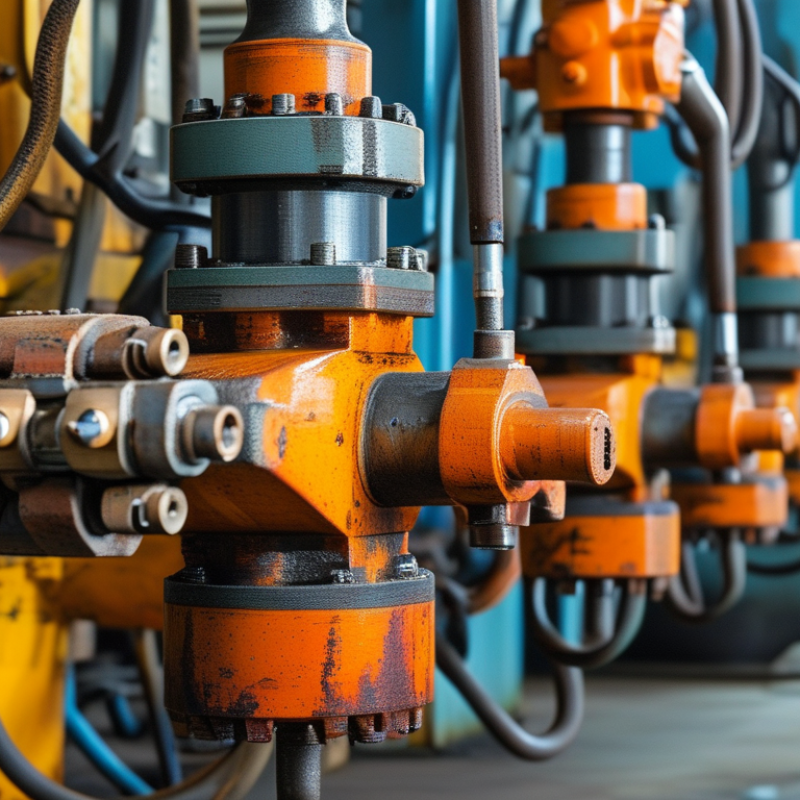
Hydraulic components play a crucial role in various machinery and systems. They convert energy into motion, allowing for precision and power. These components include hydraulic pumps, cylinders, and valves. Each part must function efficiently to ensure overall system performance. Understanding their design and mechanics is vital for effective maintenance.
Regular inspections can identify wear and tear early. Checking for leaks, unusual noises, or temperature changes is essential. Operators should not ignore minor issues; they can quickly escalate into larger problems. Monitoring fluid levels and quality helps maintain hydraulic performance. Contaminated fluid can cause significant damage over time.
Training personnel is key. Knowledgeable operators make informed decisions during maintenance and repairs. It is beneficial to understand the specific needs of each hydraulic system. Adaptation can prevent common pitfalls that shorten component life. Frequent cleanings and proper storage also contribute to longevity. Emphasizing continuous learning creates a culture focused on efficiency and reliability.
Regular maintenance is crucial for hydraulic systems. These systems rely heavily on fluid mechanics to operate efficiently. Neglect can lead to significant issues. Small leaks may seem minor, but they can escalate quickly. Regularly checking seals and hoses can prevent costly repairs.
Routine fluid checks are essential. Contaminated fluid compromises performance. It may cause overheating and wear. Implementing a scheduled replacement plan for hydraulic fluid ensures optimal function. Don't overlook filters; they should be cleaned or replaced frequently. This simple task can enhance system longevity.
The importance of operator training cannot be overstated. Proper use minimizes undue stress on components. Operators should be aware of warning signs, like unexpected noises or pressure drops. Occasionally, system checks reveal surprising problems. Unexpected wear or damage can surface, requiring immediate attention. Regular maintenance prevents larger issues, ultimately saving time and money.
Proper hydraulic fluid selection is crucial for extending the lifespan of hydraulic components. The right fluid ensures optimal operation and minimizes wear. When choosing hydraulic fluid, consider viscosity, temperature range, and potential contaminants. A fluid with appropriate viscosity flows well in different temperatures, enhancing performance.
It's essential to regularly check fluid quality. Contaminated or degraded fluids can cause serious damage. Monitor for signs of oxidation, moisture, or particles. Sometimes, an inexpensive fluid can lead to costly repairs over time. Investing in quality fluids may seem unnecessary at first, but it pays off by prolonging equipment life.
However, not all hydraulic systems are the same. Some may require specific additives or oils to function optimally. Consult the equipment's manual or a specialist for guidance. This can prevent mistakes that arise from general assumptions. Remember, a hasty decision can lead to further issues down the line. Take time to evaluate all factors.
Monitoring hydraulic systems is crucial for extending the lifespan of their components. Common issues like fluid contamination and pressure fluctuations can lead to premature failures. Data from industry studies indicate that nearly 70% of hydraulic failures result from inadequate maintenance and lack of regular diagnostics. Implementing a routine monitoring process can significantly reduce this risk.
Regularly checking fluid condition is essential. Contaminated fluid can cause wear and tear on pumps and valves, leading to expensive downtime. It's recommended to perform fluid analysis every 3-6 months, depending on usage. Additionally, monitoring system pressure can help identify issues before they escalate. A drop in pressure may indicate leaks or blockages within the system.
Diagnostics tools, such as vibration analysis and thermography, can be particularly effective. They provide insights into the operational status of hydraulic components. Studies show that predictive maintenance can reduce operational costs by up to 30%. However, many operators neglect these advanced techniques, often due to perceived complexity or cost concerns. This oversight can result in extended repair times and increased expenditures over time.
Environmental controls play a vital role in extending the lifespan of hydraulic components. These controls include temperature regulation, humidity control, and dust or debris prevention. Maintaining an optimal temperature can prevent overheating, which is a common issue for hydraulic systems. Regular checks on ambient conditions can help identify fluctuations that could lead to premature wear.
Humidity is another significant factor. High moisture levels can lead to corrosion and contamination. Implementing dehumidifiers or moisture barriers can help manage these levels. Additionally, using air filters to catch dust and debris is essential. Contaminants can cause significant damage, leading to costly repairs and replacement.
Awareness of these elements is crucial. It’s not only about having equipment but also about maintaining it in suitable conditions. Ignoring environmental factors is a mistake many make. Regular monitoring and proactive measures will yield reliable performance and longevity for hydraulic systems. We must constantly evaluate our environment and adjust accordingly.
: Proper selection extends the lifespan of hydraulic parts and reduces wear. It ensures optimal operation.
Consider viscosity, temperature range, and possible contaminants. These factors affect fluid performance greatly.
It’s best to check fluid quality every 3-6 months. Regular checks prevent costly repairs due to degradation.
Look for oxidation, moisture, or particles. These can lead to damage if not addressed.
Yes, cheaper fluids might seem appealing but can cause costly repairs over time. Quality pays off in the long run.
Regular monitoring helps identify issues early. It prevents premature failures due to common problems like contamination.
Tools like vibration analysis and thermography can provide insights into system status. They help in preventive maintenance.
Ignoring diagnostics can lead to extended repair times and increased costs. It's a risky choice in the long run.
No, some systems may need specific additives. Consulting manuals or experts helps avoid mistakes.
A drop in pressure can indicate leaks or blockages. Monitoring pressure can help catch these issues early.
In the quest to understand how to extend the lifespan of hydraulic components, it is crucial to grasp the functionality of these systems. Knowledge of how hydraulic components operate forms the foundation for effective maintenance. Regular maintenance is paramount, as it can prevent costly breakdowns and prolong the lifecycle of hydraulic systems. Adhering to best practices in hydraulic fluid selection is vital, as the right fluid ensures optimal performance and mitigates wear and tear.
Additionally, proactive monitoring and diagnosing of common issues can preemptively address potential problems before they escalate. Implementing environmental controls also plays a significant role in protecting hydraulic components from external factors that could lead to degradation. By following these guidelines, operators can enhance the durability and efficiency of their hydraulic systems, ensuring long-lasting performance.

Aksurion Hydraulic