Sustainability is a critical factor in modern hydraulic system design. As industries face escalating environmental pressures, understanding how sustainability impacts hydraulic system design becomes imperative. According to a report from the International Energy Agency, hydraulic systems account for nearly 30% of industrial energy consumption. This staggering figure pushes engineers to rethink strategies.
Design strategies are evolving. Companies now prioritize energy efficiency and waste reduction. A recent study found that implementing sustainable practices can lead to a 20% decrease in operational costs. This shift not only benefits the environment but also enhances competitiveness in the market. Innovative materials, like biodegradable fluids, are being explored as viable alternatives.
Despite advancements, challenges remain in balancing performance and sustainability. Some systems may struggle with efficiency when using eco-friendly materials. Engineers must constantly evaluate and refine their approaches. A sustainable design may not always yield immediate results, prompting reflection on long-term impacts. Ultimately, integrating sustainability into hydraulic systems requires a commitment to continuous improvement and innovation.
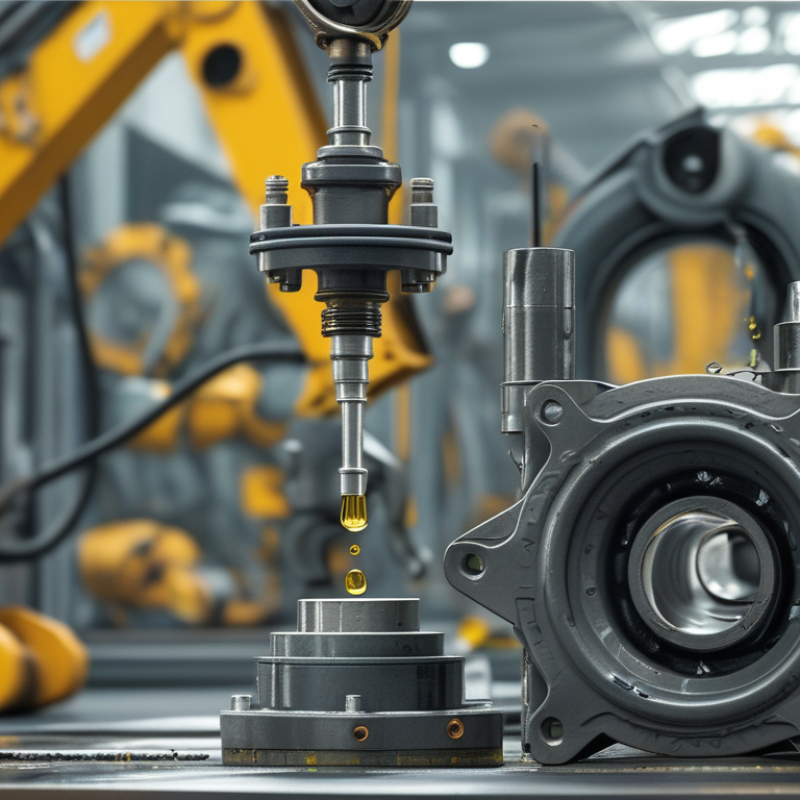
Sustainability is becoming a pivotal element in hydraulic system design. This emphasis affects not only the environment but also economic and operational efficiency. According to the International Energy Agency (IEA), hydraulic systems account for nearly 15% of energy consumption in industrial processes. By integrating sustainable practices, companies can significantly reduce their carbon footprint.
Hydraulic designers can prioritize eco-friendly materials and energy-efficient technologies. Reports indicate that utilizing biodegradable hydraulic fluids can diminish environmental risks. It’s crucial to assess the life cycle of these systems, as over 70% of hydraulic energy loss occurs due to leaks and inefficiencies. Striving for sustainability leads to improved reliability and reduced operational costs over time.
**Tip:** Evaluate and select components with lower energy consumption ratings. This can enhance system reliability and longevity.
While the journey towards sustainability is not without its challenges, progress is essential. For instance, not all materials are equally sustainable. Designers need to continually reassess their choices as technology evolves. It’s important to invest time in research to understand the latest advancements and best practices in hydraulic system design.
**Tip:** Regular training for design teams can ensure everyone is updated on sustainability trends. This enhances innovation and effectiveness in design choices.
Hydraulic systems play a crucial role in various industries. Designing these systems with sustainability in mind has become essential. Sustainable hydraulic system design focuses on energy efficiency, resource management, and environmental conservation. These principles guide engineers toward innovations that reduce waste and maximize performance.
One key principle is selecting materials that minimize environmental impact. Biodegradable fluids can replace harmful oils. Using recycled components can also reduce resource consumption. It's important to consider the life cycle of materials. Choosing items that last longer can ultimately save resources and energy.
Tips: Regularly assess your hydraulic systems. Look for areas of improvement. Small changes can lead to significant energy savings. Monitor fluid levels and leakages closely. Even minor leaks can lead to wastage and environmental damage.
Another principle involves optimizing system efficiency. This can be achieved through advanced control systems. Implementing variable speed drives can enhance energy use. Systems should adapt to operational needs rather than running at full capacity constantly. This approach not only conserves energy but also extends equipment life.
Tips: Train staff to recognize inefficient practices. Encourage feedback on system performance. Everyone plays a role in sustainability.
Incorporating these principles helps engineers shape effective, sustainable hydraulic systems. Striving for continual improvement is essential. It’s a journey toward a more sustainable future.
The demand for eco-friendly hydraulic solutions has led to innovative technologies reshaping the industry. Hydraulic systems traditionally rely on fossil fuels and non-renewable resources. These practices have significant environmental impacts. However, new technologies emphasize efficiency and sustainability. They aim to reduce waste and carbon emissions.
One approach integrates renewable energy sources into hydraulic systems. Combining solar power or wind energy with hydraulic applications can create a more sustainable model. Additionally, advancements in fluid technologies have improved energy transfer. These new fluids are designed for minimal environmental impact. They help systems operate more efficiently while reducing harmful byproducts.
Despite these advances, challenges remain. The transition to green technologies can be slow and costly. Some companies may prioritize short-term savings over long-term sustainability. This reluctance can hinder progress. Industry professionals must continuously seek innovative solutions. Engaging in discussions about best practices can lead to improvements. Embracing eco-friendly choices is more important than ever in hydraulic system design.
Sustainable practices are critical in hydraulic system design. However, implementing these strategies presents several challenges. One significant hurdle is the balancing act between efficiency and environmental impact. Many engineers feel pressured to maximize performance, often at the cost of sustainability. This creates a dilemma, as quick solutions tend to overlook long-term environmental effects.
In addition, financial constraints can hinder progress. Companies may resist investing in sustainable technologies due to upfront costs. This reluctance can stifle innovation and lead to missed opportunities for eco-friendly advancements. Emphasizing cost-effective solutions while still pushing for sustainability is essential.
Tips: Consider the lifecycle of materials used. Opt for biodegradable options whenever possible. Collaborate with other industries to find shared solutions. Always question if the materials and techniques are the most sustainable available. Embrace a mindset of continuous improvement. Small changes can lead to significant progress in hydraulic systems.
The future of hydraulic system design is becoming increasingly focused on sustainability. Engineers are exploring innovative materials that reduce environmental impact. Using biodegradable fluids is a significant step towards lowering toxicity. Moreover, energy-efficient components are being integrated into designs to minimize power consumption.
Another trend is the implementation of predictive maintenance. Monitoring systems can analyze performance in real-time. This approach not only extends equipment lifespan but also reduces waste. However, developing these technologies presents challenges. Not all companies have access to the required expertise.
Regulatory standards are also evolving. Designers must keep abreast of changing guidelines. Navigating these requirements can be daunting for some teams. Balancing innovation and compliance is a common struggle. Yet, it is essential for a sustainable future in hydraulic systems.
| Design Aspect | Current Practices | Sustainability Goals | Future Trends |
|---|---|---|---|
| Material Selection | Use of traditional materials | Reduce carbon footprint | Bio-based or recycled materials |
| Energy Efficiency | Standard pumps and motors | Lower energy consumption | Smart pumps with variable speed control |
| Fluid Management | Traditional hydraulic fluids | Reduce hazardous waste | Biodegradable fluids |
| System Maintenance | Regular scheduled maintenance | Minimize downtime | Predictive maintenance via IoT |
| Waste Management | Disposal of used fluids | Increase recyclability | Fluid recovery systems |
: Sustainability reduces environmental impact and enhances economic and operational efficiency. It can also lower energy consumption.
Biodegradable fluids significantly decrease environmental risks. They can replace harmful oils and promote safer practices.
Balancing efficiency with environmental impact is difficult. There’s often pressure to prioritize performance over sustainability.
Engineers should choose materials that minimize environmental impact, like recycled components and long-lasting items.
Regular training updates design teams on sustainability trends. It fosters innovation and improves design effectiveness.
Companies should seek cost-effective solutions and collaborate with others. Small investments can lead to meaningful changes.
Monitor fluid levels and leakages closely. Implement advanced control systems and variable speed drives to enhance energy use.
Encourage staff to recognize inefficiencies and provide feedback on system performance. Everyone contributes to sustainability efforts.
The article "Why Sustainability Shapes Hydraulic System Design Strategies?" delves into the critical role of sustainability in the evolution of hydraulic systems. It highlights the importance of integrating sustainable practices in design to minimize environmental impact while maximizing efficiency and performance. Key principles, such as energy efficiency and resource conservation, are emphasized to guide the development of eco-friendly hydraulic solutions.
Furthermore, innovative technologies are examined that promote greener hydraulic systems, alongside the challenges and solutions encountered during the adoption of sustainable practices. The article also discusses future trends that point toward enhanced sustainability in hydraulic system design. Overall, it offers insights on how sustainability impacts hydraulic system design, paving the way for more responsible engineering practices that address both operational needs and environmental concerns.

Aksurion Hydraulic